

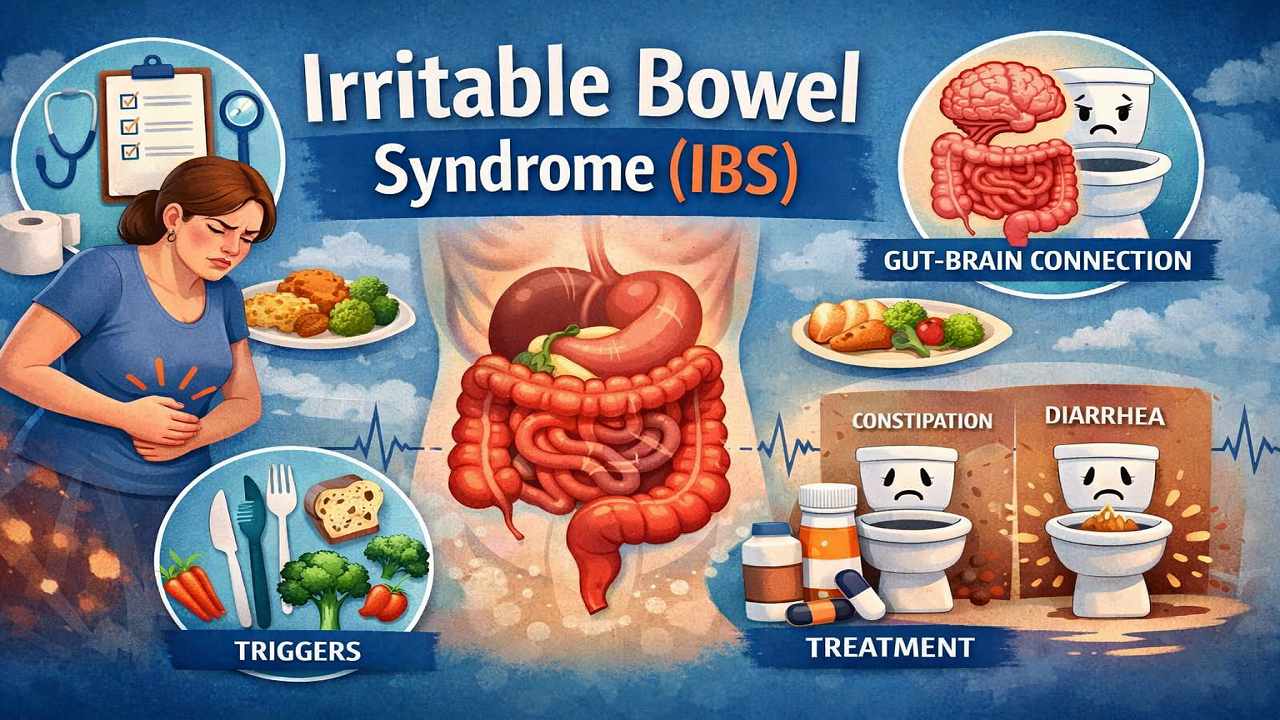
Irritable Bowel Syndrome (IBS) is one of the most common gastrointestinal disorders worldwide, yet it remains widely misunderstood. For many people, IBS is more than just an occasional stomach upset—it can significantly affect daily life, work productivity, social activities, and emotional well-being.
In this detailed guide, we’ll explore what IBS is, its causes, symptoms, diagnosis, treatment options, and practical lifestyle strategies to manage it effectively.
What Is Irritable Bowel Syndrome (IBS)?
Irritable Bowel Syndrome (IBS) is a functional gastrointestinal disorder, meaning it affects how the digestive system works rather than causing structural damage. Unlike conditions such as Crohn’s disease or Ulcerative colitis, IBS does not cause inflammation or permanent harm to the intestines.
IBS primarily affects the large intestine (colon) and is characterized by a group of symptoms that occur together, including abdominal pain and changes in bowel habits.
It is considered a chronic condition, but with proper management, most people can control their symptoms effectively.
Types of IBS
IBS is categorized based on the predominant bowel pattern:
- IBS-C (Constipation-predominant)
- Hard or lumpy stools
- Infrequent bowel movements
- IBS-D (Diarrhea-predominant)
- Loose or watery stools
- Frequent bowel movements
- IBS-M (Mixed type)
- Alternating constipation and diarrhea
- IBS-U (Unclassified)
- Symptoms that don’t fit neatly into other categories
Understanding the type of IBS is crucial for tailoring treatment strategies.
Common Symptoms of IBS
Symptoms can vary from person to person but typically include:
- Abdominal pain or cramping (often relieved after a bowel movement)
- Bloating and excessive gas
- Diarrhea, constipation, or alternating between both
- Mucus in the stool
- A feeling of incomplete bowel evacuation
Symptoms often worsen after eating and during periods of stress.

What Causes IBS?
The exact cause of IBS is not fully understood, but research suggests multiple contributing factors:
1. Gut-Brain Interaction
The digestive system and brain communicate constantly. In IBS, this communication can be disrupted, leading to increased sensitivity in the intestines.
2. Abnormal Gut Motility
Muscle contractions in the intestines may be too strong or too weak, resulting in diarrhea or constipation.
3. Increased Gut Sensitivity
People with IBS often have a lower pain threshold for intestinal stretching or gas.
4. Post-Infectious IBS
Some individuals develop IBS after a severe bout of gastroenteritis (stomach flu).
5. Stress and Mental Health
Conditions such as Anxiety disorder and Depressive disorder are commonly associated with IBS, highlighting the importance of the gut-brain connection.
6. Food Sensitivities
Certain foods can trigger symptoms, particularly:
- Dairy products
- Fatty or fried foods
- Caffeine
- Artificial sweeteners
- High-FODMAP foods
IBS vs. Inflammatory Bowel Disease (IBD)
IBS is often confused with inflammatory bowel diseases such as Crohn’s disease and Ulcerative colitis.
Here’s the key difference:
| IBS | IBD |
|---|---|
| Functional disorder | Inflammatory disease |
| No visible damage to intestines | Causes intestinal damage |
| Does not increase cancer risk | May increase colorectal cancer risk |
| Diagnosed based on symptoms | Diagnosed via imaging, colonoscopy, and lab tests |
IBS does not cause bleeding, significant weight loss, or anemia—if these symptoms occur, further medical evaluation is necessary.
How Is IBS Diagnosed?
There is no single test for IBS. Doctors usually diagnose it based on symptom patterns using criteria such as the Rome IV criteria, which require:
- Recurrent abdominal pain at least 1 day per week in the last 3 months
- Associated with bowel movement changes
Doctors may perform additional tests (blood work, stool tests, colonoscopy) to rule out other conditions.
Treatment Options for IBS
While there is no cure for IBS, several treatments can help manage symptoms.
1. Dietary Changes
The Low-FODMAP Diet
This diet limits fermentable carbohydrates that trigger gas and bloating. It is often implemented under the guidance of a dietitian.
Increase Fiber (for IBS-C)
Soluble fiber (e.g., psyllium) can improve constipation. However, insoluble fiber may worsen symptoms.
2. Medications
Depending on the type of IBS:
- Antispasmodics for cramping
- Laxatives for constipation
- Anti-diarrheal medications
- Prescription medications targeting gut motility
- Low-dose antidepressants for pain modulation
Always consult a healthcare provider before starting medication.
3. Stress Management
Because of the gut-brain connection, stress reduction plays a major role in symptom control.
Helpful approaches include:
- Cognitive Behavioral Therapy (CBT)
- Meditation and mindfulness
- Yoga
- Regular exercise
- Deep breathing techniques
4. Probiotics
Some studies suggest probiotics may help balance gut bacteria and reduce bloating, though results vary among individuals.

Lifestyle Tips for Managing IBS
Here are practical daily strategies:
- Eat smaller, regular meals
- Keep a food and symptom diary
- Stay hydrated
- Limit caffeine and alcohol
- Get consistent sleep
- Exercise regularly
- Avoid skipping meals
Consistency is key in managing symptoms long term.
When to See a Doctor
Seek medical evaluation if you experience:
- Unexplained weight loss
- Rectal bleeding
- Persistent severe pain
- Anemia
- Symptoms beginning after age 50
These may indicate a condition other than IBS.
Living with IBS: The Emotional Side
IBS is not “just in your head.” It is a real condition that can significantly impact quality of life. The unpredictable nature of symptoms can lead to social anxiety, avoidance behaviors, and emotional distress.
Building a support system, working with healthcare professionals, and adopting a proactive management plan can greatly improve daily functioning and confidence.

Final Thoughts
Irritable Bowel Syndrome (IBS) is a common but manageable condition. Although it can be frustrating and sometimes overwhelming, understanding your triggers and working closely with healthcare professionals can help you regain control over your digestive health.
With the right combination of diet, lifestyle adjustments, stress management, and medical support, most people with IBS can lead full, active, and healthy lives.