

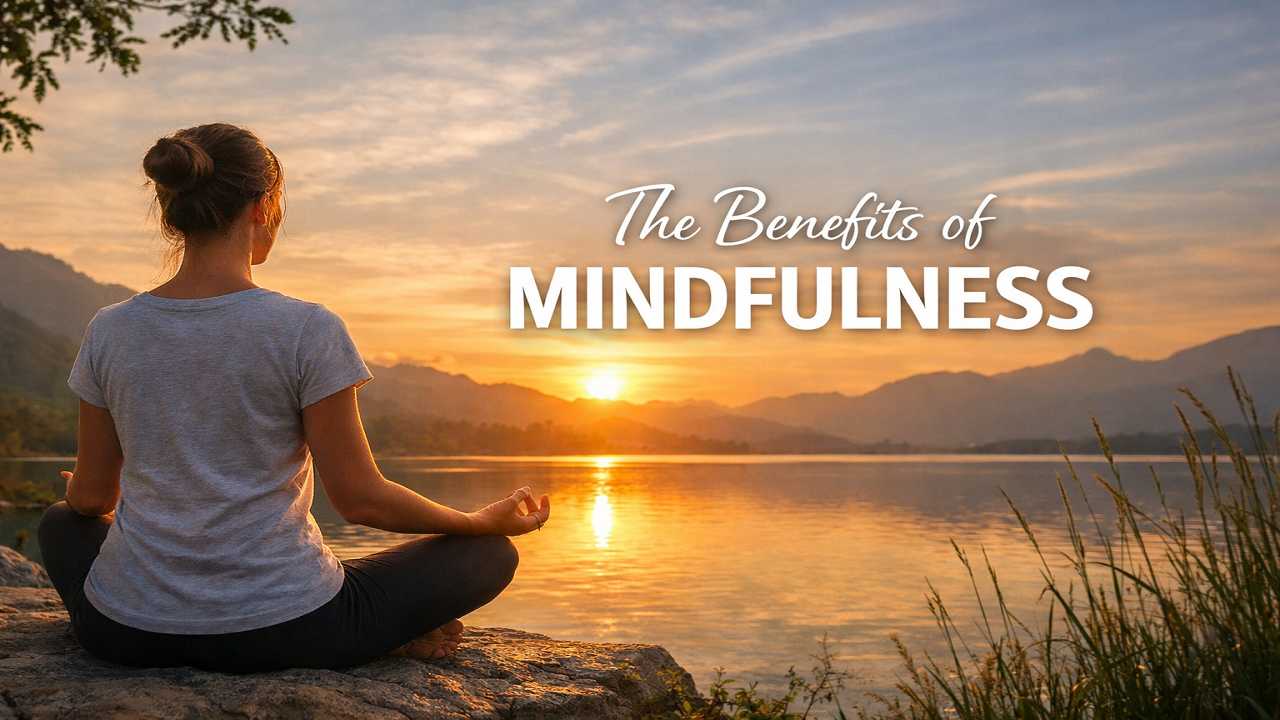
In a world that constantly competes for our attention, mindfulness feels almost radical. Notifications buzz, to-do lists multiply, and our minds jump endlessly between the past and the future. Mindfulness offers a different way of living—one rooted in presence, awareness, and intention. Far from being a vague wellness trend, mindfulness is a practical skill with profound benefits for mental, emotional, and even physical health.
So what exactly is mindfulness, and why does it matter so much?
What Is Mindfulness?
Mindfulness is the practice of intentionally paying attention to the present moment without judgment. It involves noticing your thoughts, emotions, bodily sensations, and surroundings as they are—rather than how you wish they were or fear they might become.
This doesn’t mean emptying your mind or feeling calm all the time. Instead, mindfulness teaches you to observe your inner experience with curiosity and kindness, even when it’s uncomfortable.
Reduced Stress and Anxiety
One of the most well-known benefits of mindfulness is stress reduction. When we’re stressed, our minds tend to replay past events or worry about the future. Mindfulness interrupts this cycle by anchoring attention in the here and now.
Regular mindfulness practice has been shown to lower cortisol levels (the body’s primary stress hormone) and reduce symptoms of anxiety. By learning to notice stressful thoughts without automatically reacting to them, people often find they feel less overwhelmed and more capable of handling life’s challenges.
Improved Emotional Regulation
Mindfulness helps create space between emotions and reactions. Instead of immediately snapping in anger, spiraling in sadness, or numbing discomfort, you learn to pause and respond more thoughtfully.
This increased emotional awareness leads to:
- Greater emotional resilience
- Fewer impulsive reactions
- Improved ability to cope with difficult feelings
Over time, mindfulness can transform your relationship with emotions—from something to fight or suppress into something to understand and navigate.
Better Focus and Concentration
In an age of constant distraction, the ability to focus is becoming increasingly rare—and increasingly valuable. Mindfulness strengthens attention by training the mind to return to a chosen point of focus, such as the breath.
Studies show that mindfulness can:
- Improve concentration and working memory
- Reduce mind-wandering
- Enhance performance at work and school
Even short daily practices can make it easier to stay present during conversations, tasks, and creative work.
Enhanced Mental Health
Mindfulness-based practices are widely used as complementary treatments for mental health conditions such as depression, anxiety disorders, and PTSD. While it’s not a cure-all, mindfulness helps individuals observe negative thought patterns without becoming trapped in them.
This shift—from identifying with thoughts to observing them—can reduce rumination and self-criticism, two major contributors to poor mental health.
Physical Health Benefits
The mind and body are deeply connected, and mindfulness supports physical health in several ways. Research suggests mindfulness may:
- Lower blood pressure
- Improve sleep quality
- Reduce chronic pain perception
- Support immune system functioning
By reducing stress and promoting healthier behaviors, mindfulness can contribute to long-term physical well-being.
Stronger Relationships
Mindfulness doesn’t just change how you relate to yourself—it changes how you relate to others. When you’re present, you listen more deeply, communicate more clearly, and react less defensively.
Practicing mindfulness can lead to:
- Greater empathy and compassion
- Improved conflict resolution
- Stronger emotional connections
Being fully present with someone is one of the most meaningful gifts you can offer.
Increased Self-Awareness and Personal Growth
Mindfulness cultivates insight. As you pay attention to your inner world, patterns begin to emerge—habits, triggers, beliefs, and automatic reactions you may not have noticed before.
This awareness is the foundation of personal growth. When you see clearly, you have more choice. You can let go of unhelpful patterns and intentionally build new ones aligned with your values.
Accessibility and Simplicity
One of the most powerful aspects of mindfulness is how accessible it is. You don’t need special equipment, a retreat, or hours of free time. Mindfulness can be practiced:
- While breathing
- While walking
- While eating
- While listening to someone speak
Even a few minutes a day can make a difference.
Getting Started with Mindfulness
If you’re new to mindfulness, start small. Try sitting quietly for two minutes and noticing your breath. When your mind wanders (and it will), gently bring it back. That’s the practice.
Consistency matters more than duration. Over time, mindfulness becomes less something you do and more a way you live.
Final Thoughts
Mindfulness isn’t about escaping reality—it’s about meeting it fully. By cultivating presence, you gain clarity, resilience, and a deeper sense of connection to yourself and the world around you.
In a fast-paced, distracted society, mindfulness reminds us of something simple yet powerful: this moment matters. And learning to be present for it can change everything.