

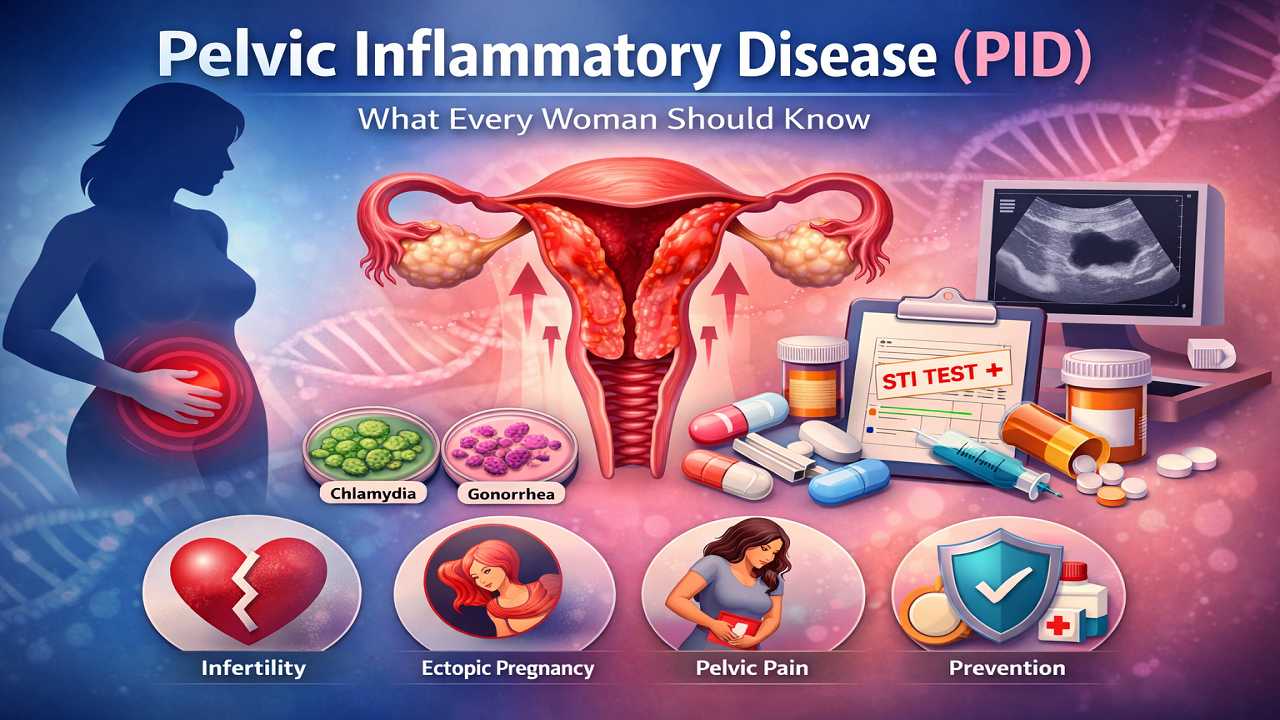
TT – Pelvic Inflammatory Disease (PID) is a serious but often preventable infection of the female reproductive organs. It affects millions of women worldwide each year and can have lasting consequences if not diagnosed and treated early. This detailed guide will help you understand what PID is, its causes, symptoms, treatment options, complications, and prevention strategies.
What is Pelvic Inflammatory Disease?
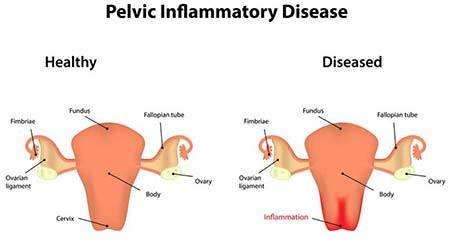
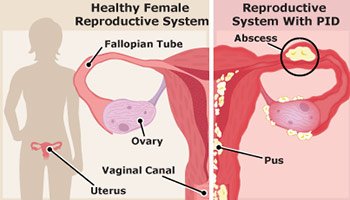
Pelvic Inflammatory Disease (PID) is an infection of the upper female reproductive organs — including the uterus, fallopian tubes, and ovaries. It typically occurs when bacteria ascend from the vagina or cervix into these organs.
PID is most commonly caused by sexually transmitted infections (STIs), particularly:
- Chlamydia
- Gonorrhea
However, other bacteria normally present in the vagina can also cause PID.
Causes of Pelvic Inflammatory Disease
PID develops when bacteria travel upward from the lower genital tract. Common causes include:
1. Sexually Transmitted Infections (STIs)
Untreated chlamydia and gonorrhea are the leading causes. These infections may have mild or no symptoms, allowing them to progress unnoticed.
2. Bacterial Imbalance
An overgrowth of normal vaginal bacteria can sometimes spread into the reproductive organs.
3. Post-Procedural Infection
Rarely, PID may develop after:
- Childbirth
- Miscarriage
- Abortion
- Insertion of an intrauterine device (IUD)

Risk Factors
Women are at increased risk if they:
- Are sexually active under age 25
- Have multiple sexual partners
- Do not consistently use condoms
- Have a history of STIs
- Have previously had PID
Symptoms of PID
Symptoms can range from mild to severe — and some women experience no symptoms at all.
Common symptoms include:
- Lower abdominal or pelvic pain (most common symptom)
- Abnormal vaginal discharge (often with unpleasant odor)
- Pain during intercourse
- Painful urination
- Irregular menstrual bleeding
- Fever and chills (in more severe cases)
Because symptoms may be subtle, many women delay seeking care.
How is PID Diagnosed?
There is no single definitive test for PID. Diagnosis is usually based on:
- Medical history
- Pelvic examination
- STI testing
- Blood tests
- Ultrasound imaging (in complicated cases)
Early diagnosis is critical to prevent long-term damage.
Treatment Options
PID is treated with antibiotics. Doctors typically prescribe:
- A combination of broad-spectrum antibiotics
- Treatment for sexual partners (if STI-related)
It is important to:
- Complete the full course of medication
- Avoid sexual activity until treatment is complete
- Follow up with your healthcare provider
Severe cases may require hospitalization and intravenous antibiotics.
Potential Complications
Untreated or recurrent PID can cause serious long-term problems:
1. Infertility
Damage to the fallopian tubes may prevent fertilization.
2. Ectopic Pregnancy
Scarring increases the risk of a pregnancy developing outside the uterus.
3. Chronic Pelvic Pain
Long-term inflammation can result in persistent pain.
4. Tubo-Ovarian Abscess
A collection of pus that may require surgical treatment.
The Link Between PID and Infertility
Studies suggest that even one episode of PID can increase the risk of infertility. Repeated infections significantly raise this risk. Early detection and prompt treatment are essential to preserving reproductive health.
Prevention Strategies
PID is largely preventable. Here’s how:
Practice Safe Sex
- Use condoms consistently
- Limit the number of sexual partners
- Get regular STI screenings
Routine Testing
Regular screening for chlamydia and gonorrhea is recommended for sexually active women under 25 and older women with risk factors.
Early Treatment of STIs
Prompt treatment reduces the risk of complications.
Avoid Douching
Douching can disrupt the natural vaginal balance and increase infection risk.
When to Seek Medical Attention
Seek medical care immediately if you experience:
- Severe pelvic pain
- High fever
- Vomiting
- Fainting
- Signs of possible ectopic pregnancy
Early medical intervention can prevent permanent damage.
Final Thoughts
Pelvic Inflammatory Disease is a serious yet preventable condition. Awareness, routine screening, safe sexual practices, and early treatment are key to protecting reproductive health.
If you suspect PID or have symptoms of an STI, consult a healthcare professional promptly. Taking action early can safeguard your fertility and overall well-being.