

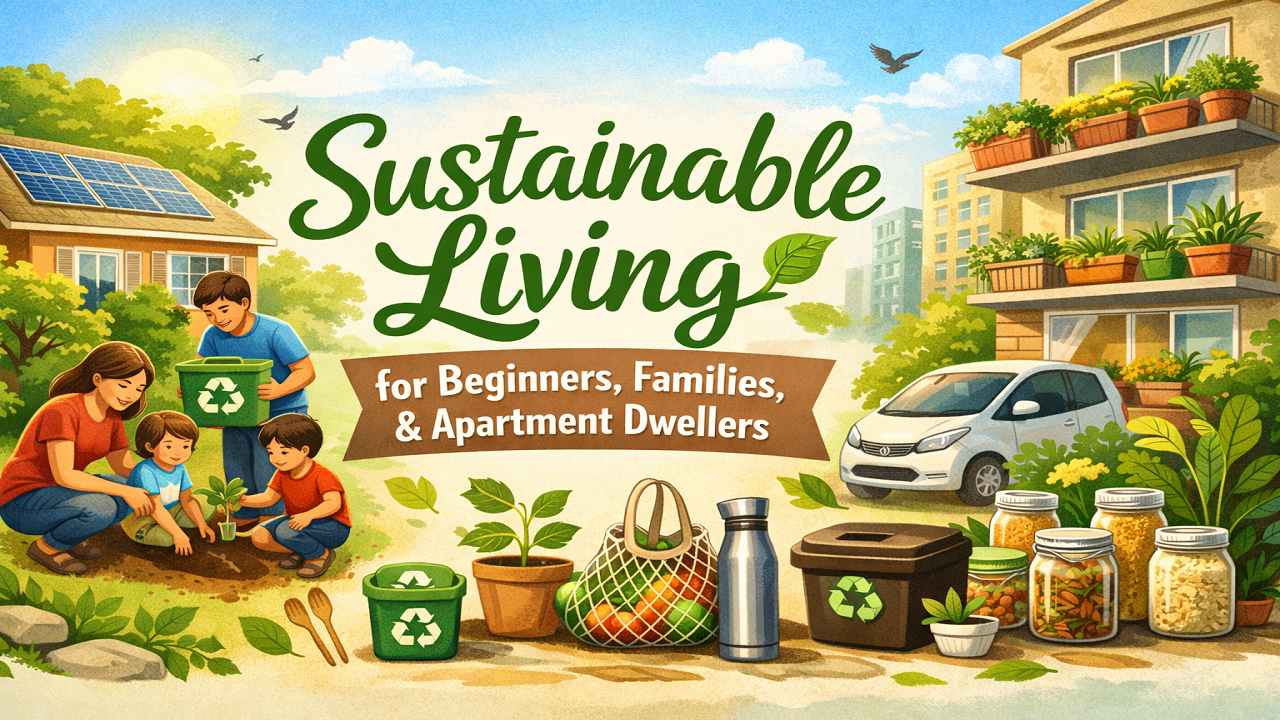
Sustainable living isn’t about perfection. It’s about making conscious choices that reduce your environmental impact while improving your quality of life. You don’t need solar panels, a zero-waste pantry, or a homestead to get started. Small, consistent changes add up — and they matter.
In this guide, you’ll find practical, realistic sustainable living tips you can begin implementing today.
What Is Sustainable Living?
Sustainable living means making choices that reduce your use of Earth’s natural resources and minimize harm to the environment. It’s about meeting your needs without compromising the ability of future generations to meet theirs.
At its core, sustainability focuses on three pillars:
- Environmental protection
- Economic responsibility
- Social well-being
The good news? Many sustainable habits also save money and simplify your life.

1. Reduce Waste at Home
The average household produces a surprising amount of waste. Reducing it is one of the most impactful steps you can take.
Start with the 5 R’s:
- Refuse what you don’t need (freebies, plastic cutlery, excess packaging)
- Reduce what you use
- Reuse what you can
- Repair instead of replacing
- Recycle as a last resort
Practical Tips:
- Use reusable grocery bags, produce bags, and water bottles.
- Switch to refillable cleaning products.
- Compost food scraps if possible.
- Buy in bulk to reduce packaging.
- Choose products with minimal or recyclable packaging.
Even reducing one trash bag per week makes a difference over time.
2. Make Your Kitchen More Sustainable
The kitchen is often the biggest source of household waste and energy use.
Reduce Food Waste
- Plan meals before shopping.
- Store food properly to extend freshness.
- Freeze leftovers.
- Get creative with “scrap cooking” (vegetable broth from peels, smoothies from overripe fruit).
Eat More Plant-Based Meals
You don’t need to go fully vegetarian. Simply reducing meat consumption — especially red meat — significantly lowers your carbon footprint.
Try:
- “Meatless Mondays”
- Replacing half the meat in recipes with lentils or mushrooms
- Exploring plant-based proteins like beans, tofu, and chickpeas
Choose Local and Seasonal
Buying local produce reduces transportation emissions and often supports small farmers.
3. Conserve Energy at Home
Energy efficiency reduces both your carbon footprint and your utility bills.
Easy Energy-Saving Habits:
- Switch to LED light bulbs.
- Turn off lights and electronics when not in use.
- Use smart power strips.
- Wash clothes in cold water.
- Air-dry clothes when possible.
- Adjust your thermostat by just 1–2 degrees.
Bigger Upgrades (If Possible):
- Install a programmable thermostat.
- Upgrade to energy-efficient appliances.
- Improve home insulation.
- Consider renewable energy options.
Small behavior shifts can cut energy use dramatically over a year.

4. Rethink Transportation
Transportation is a major source of greenhouse gas emissions.
Sustainable Alternatives:
- Walk or bike for short trips.
- Use public transportation.
- Carpool when possible.
- Combine errands into one trip.
- Consider a hybrid or electric vehicle if replacing your car.
If flying, try to:
- Choose direct flights (they use less fuel).
- Fly less frequently.
- Offset carbon emissions when possible.
5. Shop More Intentionally
Fast fashion and impulse buying contribute heavily to environmental damage.
Sustainable Shopping Habits:
- Buy less, choose well, make it last.
- Invest in quality over quantity.
- Shop secondhand.
- Repair clothing and shoes.
- Support ethical and transparent brands.
Before buying something new, ask:
- Do I really need this?
- Can I borrow it?
- Can I find it secondhand?
- Will I use it long-term?
Intentional consumption is powerful.
6. Reduce Water Usage
Freshwater is a limited resource in many parts of the world.
Easy Water-Saving Tips:
- Fix leaks promptly.
- Install low-flow showerheads.
- Turn off the tap while brushing teeth.
- Run dishwashers and washing machines only with full loads.
- Water plants early morning or evening to reduce evaporation.
If you have outdoor space, consider drought-resistant landscaping.
7. Embrace Minimalism
Sustainable living and minimalism often go hand in hand.
Owning fewer things:
- Reduces waste
- Lowers consumption
- Simplifies cleaning and organizing
- Saves money
Minimalism doesn’t mean deprivation. It means being intentional about what you bring into your life.
8. Support Sustainable Companies and Policies
Individual actions matter — but systemic change amplifies impact.
You can:
- Support companies with ethical supply chains.
- Choose brands with environmental certifications.
- Advocate for environmental policies.
- Vote with sustainability in mind.
- Talk about sustainability with friends and family.
Collective action creates long-term change.
9. Start Small and Stay Consistent
The biggest mistake people make? Trying to change everything at once.
Instead:
- Pick 2–3 habits to focus on.
- Build them into your routine.
- Add new habits gradually.
- Don’t aim for perfection.
Sustainable living is a journey — not a competition.
The Benefits of Sustainable Living
Beyond helping the planet, sustainable living often leads to:
- Lower monthly expenses
- Less clutter
- Healthier eating habits
- Stronger community connections
- Greater mindfulness and intention
It’s not about sacrifice. It’s about alignment — living in a way that reflects your values.
Final Thoughts
You don’t need to be zero-waste to make a difference. You don’t need to overhaul your entire life. What matters is progress.
Every reusable bag.
Every plant-based meal.
Every conscious purchase.
Sustainability isn’t a trend — it’s a responsibility and an opportunity. And it starts with small choices made consistently.