

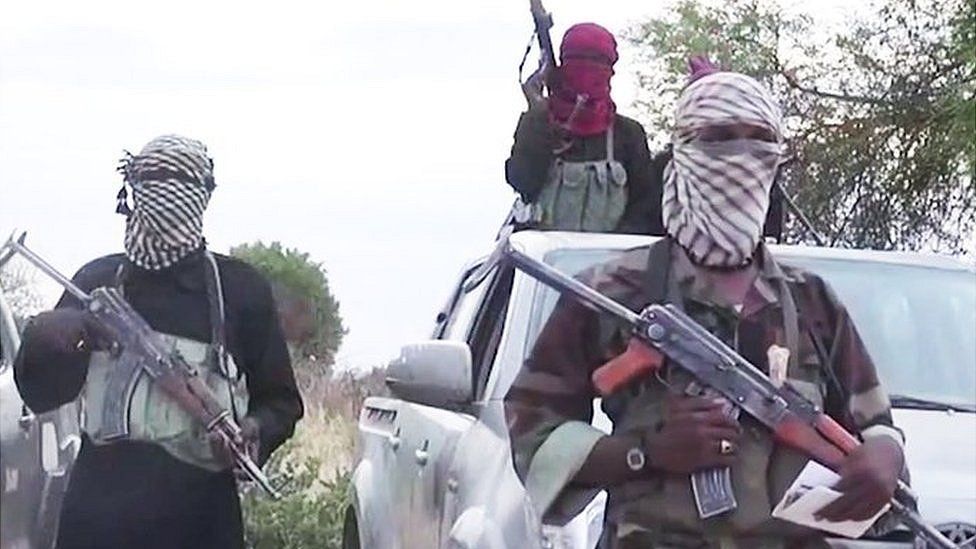
TT – Nigeria has taken an extraordinary step in its long-running battle against terrorism: the mass prosecution and conviction of hundreds of suspects in what is now considered one of the largest terrorism trials in the country’s history.
The development has sparked a mix of reactions—ranging from cautious optimism to serious concern—about justice, transparency, and the broader fight against insurgency.
⚖️ A Historic Legal Operation
In a coordinated judicial effort led by the Nigerian government, courts processed hundreds of terrorism-related cases within a compressed timeframe, resulting in the conviction of more than 300 individuals. Many of the accused received prison sentences of up to 20 years, depending on the severity of their crimes.
This operation is unprecedented not only in Nigeria but across much of Africa.
What makes it remarkable?
- The scale: Over 500 suspects were brought before the courts.
- The speed: Trials were conducted rapidly, some resolved within days.
- The volume of convictions: A significant majority of those tried were found guilty.
For a country that has long struggled with delayed justice and overcrowded detention systems, this marks a dramatic shift toward swift adjudication.

🧾 Who Were the Defendants?
The majority of those prosecuted were suspected members or collaborators of extremist groups, particularly:
- Boko Haram
- Islamic State West Africa Province (ISWAP)
These groups have terrorized northern Nigeria for over a decade, carrying out:
- Suicide bombings
- Mass abductions (including schoolchildren)
- Village raids and killings
- Destruction of infrastructure
Many of the suspects had been held in detention for years—some without trial—before these proceedings began.
A critical detail:
A large number of defendants reportedly pleaded guilty, which significantly accelerated the process.
This raises an important question:
Were these guilty pleas a sign of clear evidence—or a consequence of prolonged detention and pressure to resolve cases quickly?
⚠️ Due Process Concerns
While the convictions represent progress in tackling impunity, they have also triggered serious concerns among legal experts and human rights observers.
Key issues being raised:
1. Speed vs. Fairness
The rapid pace of the trials has led some to question whether defendants had:
- Adequate legal representation
- Enough time to prepare a defense
- Full understanding of the charges against them
Justice delivered too quickly can risk becoming justice compromised.
2. Mass Trials and Individual Accountability
Trying hundreds of suspects in a condensed process may blur distinctions between:
- Hardcore militants
- Low-level collaborators
- Civilians wrongfully detained
Critics argue that individual responsibility must not be lost in bulk proceedings.
3. Transparency
Much of the trial process was not fully open to public scrutiny. Limited media access and restricted information have made it difficult to independently verify:
- Evidence presented
- Trial procedures
- Conditions under which confessions were obtained
This lack of transparency fuels skepticism.
🔥 The Security Context: Why Now?
To understand why Nigeria undertook such a massive legal operation, you have to look at the broader security landscape.
Despite years of military campaigns, insurgency remains deeply entrenched—especially in the northeast.
Recent realities:
- Frequent attacks on rural communities
- Ongoing kidnappings for ransom
- Armed groups expanding into new regions
Nigeria is facing pressure on multiple fronts:
- Domestic demand for improved security
- International scrutiny
- The need to reduce overcrowded detention facilities filled with terrorism suspects
Strategic motivation:
These trials are part of a broader effort to:
- Clear case backlogs
- Demonstrate government action
- Reinforce deterrence
In essence, the government is signaling:
“Terrorism will not go unpunished.”
🧠 The Bigger Question: Does This Help End Terrorism?
This is where the conversation becomes more complex.

Potential benefits:
✅ Deterrence
Mass convictions send a strong message to would-be recruits and collaborators.
✅ Justice for victims
For families affected by years of violence, these rulings may offer a sense of closure.
✅ System efficiency
Clearing long-pending cases can help restore faith in the judicial system.
But there are real risks:
❗ Radicalization in prisons
If not properly managed, prisons can become breeding grounds for further extremism.
❗ Wrongful convictions
Rushed processes increase the possibility of innocent individuals being punished.
❗ Failure to address root causes
Terrorism in Nigeria is driven by deeper issues such as:
- Poverty
- Unemployment
- Weak governance
- Lack of education
Trials alone cannot solve these systemic problems.
🌍 International Implications
Nigeria’s handling of terrorism cases is being closely watched globally.
Countries like the United States and members of the European Union are particularly interested in:
- Counterterrorism cooperation
- Human rights compliance
- Regional stability in West Africa
A justice system perceived as unfair could:
- Undermine international partnerships
- Affect foreign aid and security support
On the other hand, effective and transparent prosecutions could:
- Strengthen Nigeria’s global standing
- Reinforce its role as a regional leader
🧩 A Nation at a Crossroads
Nigeria’s mass terrorism trials highlight a fundamental tension:
The need for swift justice versus the obligation to ensure fair justice.
The government has made a bold move—one that demonstrates urgency and intent. But the long-term success of this approach will depend on what comes next.
Key factors to watch:
- Will future trials maintain higher transparency?
- Can the prison system handle the influx of convicted individuals?
- Will there be efforts to rehabilitate and reintegrate lower-risk offenders?
- Most importantly, will Nigeria tackle the root causes of extremism?

✍️ Conclusion
Nigeria’s mass terrorism convictions mark a turning point in its fight against insurgency. They represent both progress and pressure—progress in delivering long-awaited justice, and pressure on the system to uphold fairness at an unprecedented scale.
The trials may close many legal chapters, but they do not end the story.
Because in the fight against terrorism, convictions are only one piece of a much larger puzzle.