

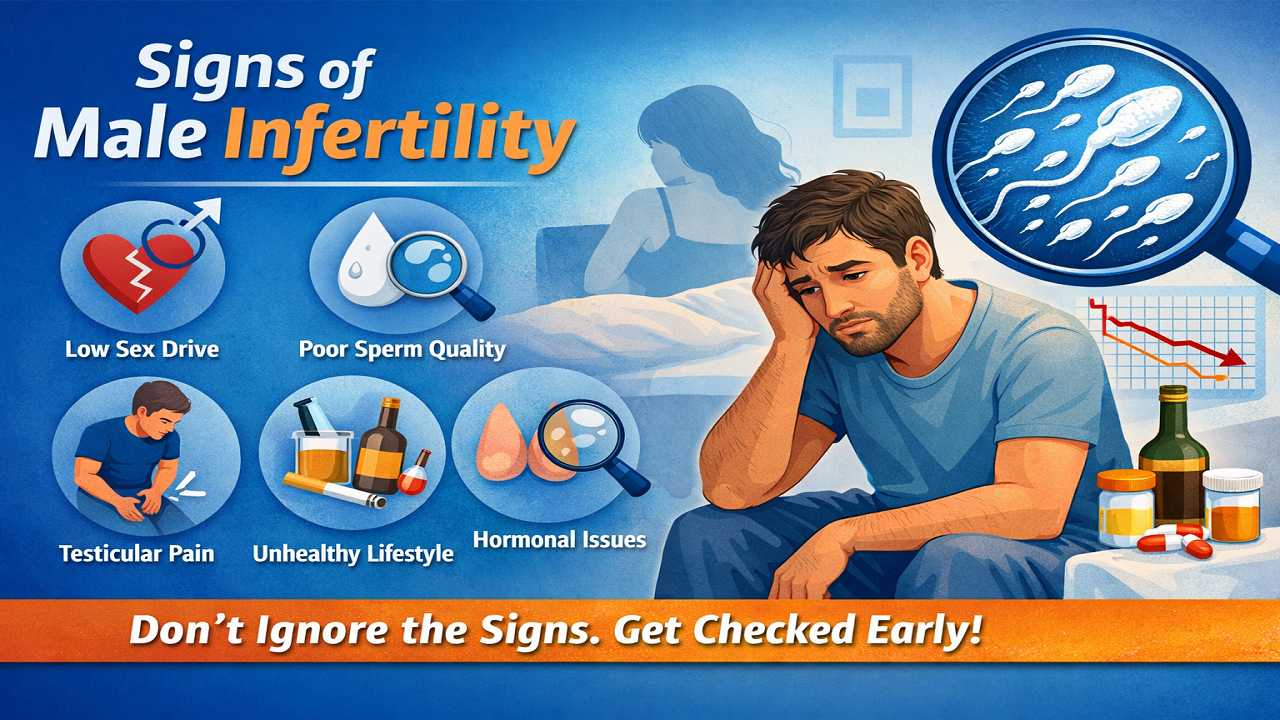
TT – Male infertility is more common than many people realize, contributing to nearly half of all infertility cases among couples. Despite this, it often goes undiscussed, partly due to stigma and partly because the signs can be subtle or mistaken for other health issues. Understanding the potential indicators is an important first step toward seeking help and improving reproductive health.
What Is Male Infertility?
Male infertility refers to a man’s inability to cause pregnancy in a fertile partner. It is usually related to problems with sperm production, function, or delivery. In many cases, the condition is only discovered after a couple has tried unsuccessfully to conceive for a year or more. However, there are several signs and symptoms that may suggest an underlying issue.
1. Difficulty Conceiving
The most obvious sign of male infertility is the inability to achieve pregnancy after regular, unprotected sexual intercourse over a period of time (typically 12 months). While this is often the first noticeable indicator, it doesn’t explain the root cause and requires medical evaluation.
2. Problems with Sexual Function
Issues related to sexual performance can sometimes signal fertility problems. These include:
- Difficulty maintaining an erection (erectile dysfunction)
- Low sex drive
- Problems with ejaculation, such as delayed or absent ejaculation
These symptoms may point to hormonal imbalances or underlying health conditions that also affect sperm production.

3. Pain, Swelling, or Lumps in the Testicles
Any discomfort or visible changes in the testicular area should not be ignored. Conditions such as varicocele (enlarged veins in the scrotum), infections, or even tumors can interfere with sperm production and quality.
4. Reduced Facial or Body Hair
A noticeable decrease in body or facial hair may indicate a hormonal imbalance, particularly low testosterone levels. Since hormones play a key role in sperm production, such changes can be linked to infertility.
5. Small or Firm Testicles
Testicle size and consistency can provide clues about reproductive health. Smaller-than-average or unusually firm testicles may suggest issues with sperm production.
6. Low Sperm Count
Although not something you can detect without testing, a low sperm count is one of the most common causes of male infertility. Signs that may indirectly suggest this include:
- Thin or watery semen
- Reduced volume of ejaculate
A semen analysis is required to confirm sperm count and quality.

7. Chronic Health Conditions
Certain long-term health issues can impact fertility, including:
- Diabetes
- Hormonal disorders
- Infections affecting the reproductive system
Men with these conditions may experience reduced fertility even if no obvious reproductive symptoms are present.
8. Lifestyle and Environmental Factors
While not “symptoms” in the traditional sense, certain habits and exposures can significantly affect fertility:
- Smoking and excessive alcohol use
- Drug use (especially anabolic steroids)
- Exposure to toxins, chemicals, or radiation
- Obesity and poor diet
These factors can impair sperm production and function over time.
9. Previous Medical Treatments
A history of surgeries, cancer treatments (such as chemotherapy or radiation), or injuries to the reproductive organs can impact fertility. Even if the treatment occurred years earlier, it may still have lasting effects.
When to See a Doctor
If you notice any of the signs mentioned above or have been trying to conceive without success, it’s important to seek medical advice. A healthcare provider may recommend tests such as:
- Semen analysis
- Hormone testing
- Genetic testing (in some cases)
Early diagnosis can open the door to effective treatments, lifestyle changes, or assisted reproductive techniques.

Final Thoughts
Male infertility is a complex issue, but it is often manageable with the right support and intervention. Paying attention to your body and recognizing potential warning signs can make a significant difference. If something feels off, don’t hesitate to seek professional guidance—fertility challenges are more common than you might think, and help is available.