

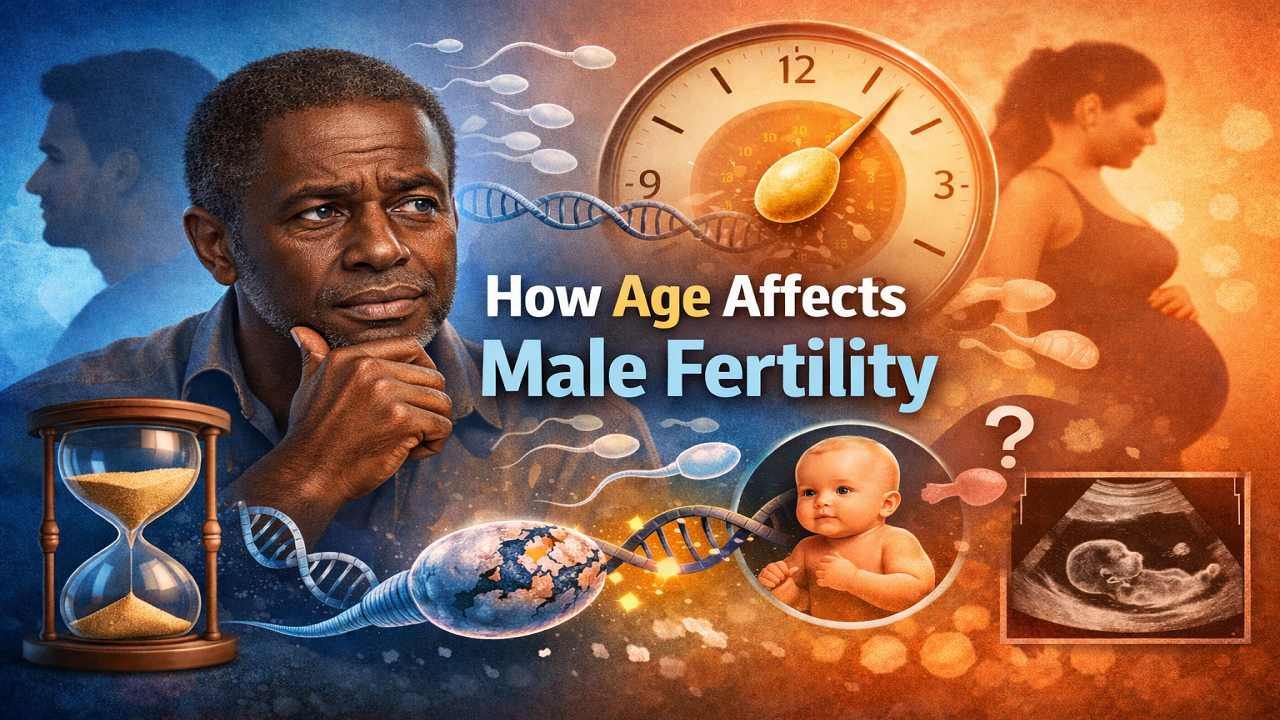
When conversations about fertility come up, the focus often falls on women and the concept of the “biological clock.” However, men also experience age-related changes that can affect their ability to conceive. While men can remain fertile much longer than women, male fertility is not unlimited, and aging can gradually influence sperm health, hormone levels, and overall reproductive potential.
Understanding how age affects male fertility can help couples plan their families and make informed health decisions.
Male Fertility: A Quick Overview
Male fertility primarily depends on the production of healthy sperm. For successful conception, sperm must be:
- Produced in sufficient numbers
- Able to move effectively (motility)
- Properly shaped (morphology)
- Carry intact genetic material (DNA)
These factors are usually evaluated through a semen analysis, a common test used when couples experience difficulty conceiving.
Although men produce sperm throughout their lives, the quality and efficiency of this process can decline with age.
The Peak Fertility Years for Men
Male fertility tends to peak in the late teens through the 20s. During this period:
- Testosterone levels are at their highest
- Sperm count and quality are typically optimal
- DNA damage in sperm is relatively low
While many men remain fertile well into their 40s and beyond, subtle changes in reproductive health can begin as early as the mid-30s.
Changes in Fertility After Age 30
Beginning around age 30–35, several gradual changes may occur:
1. Decline in Testosterone
Testosterone levels naturally decrease with age, which can affect sperm production and sexual function.
Possible effects include:
- Reduced libido
- Lower sperm production
- Decreased energy levels
Although this decline is usually slow, it can still influence fertility over time.
2. Reduced Sperm Quality
Research shows that sperm quality may decline as men age. Changes can include:
- Lower sperm count
- Reduced sperm motility (ability to swim)
- Higher rates of abnormal sperm shape
These factors may reduce the likelihood of fertilization.

3. Increased DNA Damage in Sperm
As men age, sperm are more likely to accumulate DNA fragmentation. This means the genetic material inside the sperm becomes more damaged.
Higher levels of DNA fragmentation have been associated with:
- Reduced fertility
- Increased risk of miscarriage
- Potential genetic disorders in offspring
4. Longer Time to Conceive
Couples with older male partners may take longer to achieve pregnancy.
Studies suggest that when the male partner is over 40, the time required to conceive may increase even if the female partner is younger.
Fertility After Age 40 and Beyond
Men can father children in their 40s, 50s, and even later. However, fertility challenges become more common.
Possible issues include:
- Significant decline in sperm motility
- Reduced semen volume
- Increased genetic mutations in sperm
Advanced paternal age has also been associated with a slightly higher risk of certain conditions in children, including:
- Autism spectrum disorders
- Schizophrenia
- Some rare genetic mutations
It is important to note that these risks remain relatively low overall but increase gradually with age.
Lifestyle Factors That Accelerate Fertility Decline
Age is not the only factor affecting male fertility. Lifestyle choices can significantly influence reproductive health.
Key factors include:
Smoking
Smoking damages sperm DNA and lowers sperm count.
Excessive Alcohol Use
Heavy drinking can interfere with testosterone production and sperm formation.
Obesity
Being overweight can disrupt hormone balance and reduce sperm quality.
Poor Diet
A diet lacking essential nutrients such as zinc, selenium, and antioxidants can negatively affect sperm health.
Heat Exposure
Frequent use of hot tubs, saunas, or placing laptops on the lap can raise testicular temperature and reduce sperm production.
Medical Conditions That May Affect Fertility With Age
Certain health conditions become more common as men get older and may impact fertility, including:
- Diabetes
- High blood pressure
- Hormonal disorders
- Prostate problems
- Varicocele (enlarged veins in the scrotum)
Regular health check-ups can help identify and manage these issues early.

Ways Men Can Protect Their Fertility
Although aging cannot be stopped, men can take steps to support reproductive health:
1. Maintain a healthy weight
Regular exercise and balanced nutrition help regulate hormones.
2. Eat fertility-supporting foods
Foods rich in antioxidants such as fruits, vegetables, nuts, and whole grains can protect sperm from damage.
3. Avoid smoking and limit alcohol
4. Manage stress
Chronic stress can affect hormone levels and sexual health.
5. Get regular medical checkups
6. Consider sperm freezing
Men who plan to delay fatherhood may choose to preserve sperm while they are younger.
When to Seek Medical Advice
Couples should consider consulting a fertility specialist if:
- They have been trying to conceive for 12 months without success (or 6 months if the female partner is over 35)
- The male partner is over 40 and concerned about fertility
- There is a history of reproductive or hormonal issues
Early evaluation can identify potential problems and expand treatment options.

Final Thoughts
While men do not experience a strict biological clock like women, age still plays an important role in male fertility. Gradual declines in sperm quality, hormonal changes, and increased genetic risks can affect the chances of conception and the health of future children.
The good news is that many men can support their fertility through healthy lifestyle choices and early medical guidance. Understanding how age affects reproductive health empowers men and couples to make informed decisions about family planning.